
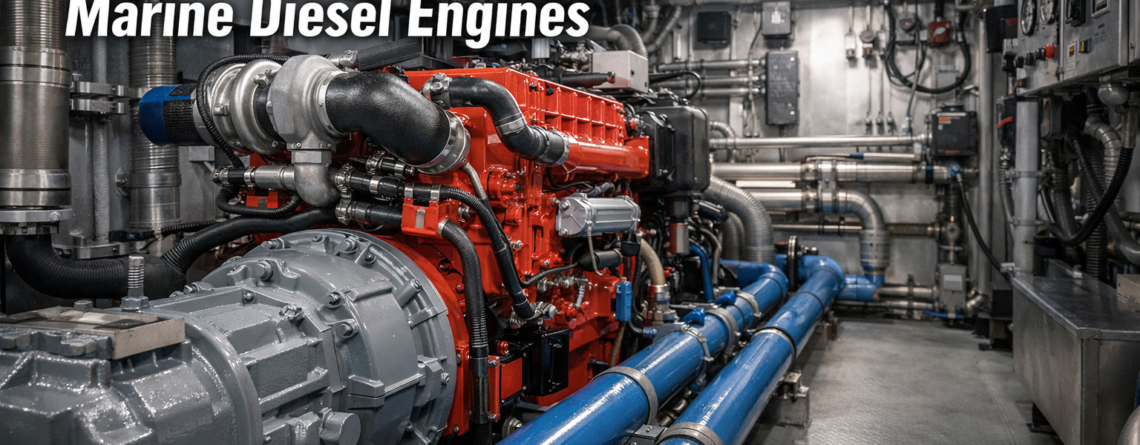
In the marine industry, reliability is everything.
If you speak with commercial vessel operators, fishing captains, or shipyard engineers, one topic always comes up when discussing long-term engine performance: cooling systems.
At Coastal Wave Marine, we have spent years supplying commercial marine propulsion systems, inboard diesel engines, and vessel repower solutions to operators across multiple regions—from commercial fishing fleets to workboats operating in demanding environments.
One trend we continue to see is the growing preference for keel cooled marine inboard diesel engine systems, particularly in commercial vessels that operate long hours under heavy load.
The reason is simple: simplicity, reliability, and durability.
For many operators, a well-designed keel cooled marine inboard diesel engine configuration offers a cooling solution that is easier to maintain and far more reliable in challenging marine environments.
Why Cooling Systems Are Critical in Marine Diesel Engines
Every marine diesel engine generates significant heat during operation. If that heat is not effectively controlled, engine components can experience accelerated wear, reduced efficiency, and potential failure.
In marine propulsion systems, two primary cooling technologies are commonly used:
- Heat exchanger cooling systems
- Keel cooled marine inboard diesel engine systems
Both systems have their place in the industry. However, in commercial operations where vessels may run 10 to 20 hours per day, many operators prefer the reliability of keel cooled marine inboard diesel engine technology.
At Coastal Wave Marine, we frequently work with shipyards and vessel owners who specifically request keel-cooled engine configurations for commercial applications. You can learn more about commercial marine propulsion systems.
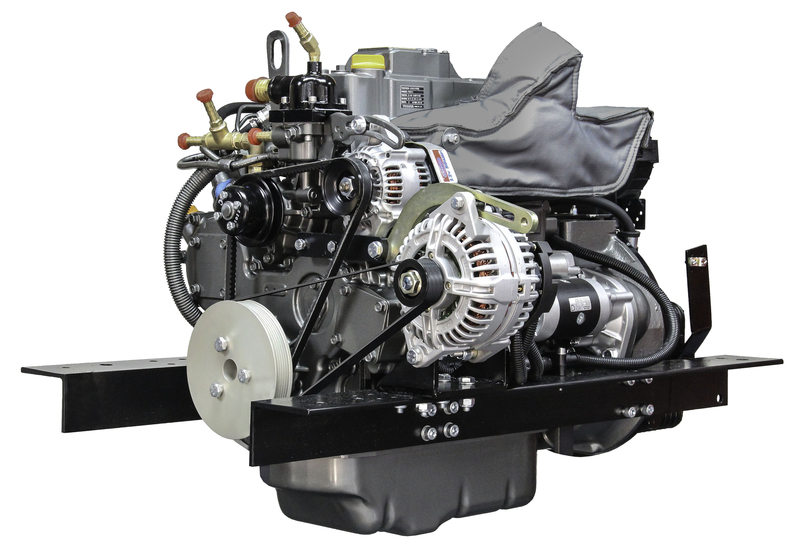
What Is a Keel Cooled Marine Inboard Diesel Engine?
A keel cooled marine inboard diesel engine uses a closed coolant circuit that transfers engine heat through external cooling pipes mounted along the hull of the vessel.
These external pipes—known as keel coolers—allow heat from the engine coolant to dissipate directly into the surrounding water.
Unlike traditional heat exchanger systems, the engine does not rely on raw seawater intake.
Instead, the coolant circulates continuously through the engine and the keel cooler pipes.
This approach eliminates several mechanical components commonly found in raw-water cooling systems.
How Keel Cooling Systems Work
The cooling cycle of a keel cooled marine inboard diesel engine system is straightforward but highly effective.
- The engine heats the coolant during normal operation.
- The coolant circulates through pipes installed along the hull of the vessel.
- Heat from the coolant transfers through the pipe walls into the surrounding water.
- The cooled coolant returns to the engine.
Because this system operates as a closed-loop cooling circuit, it avoids many issues associated with raw seawater cooling.
From our experience working with vessel operators, this is one of the main reasons why keel cooled marine inboard diesel engines are widely used in commercial fleets.
Keel Cooling vs Heat Exchanger Systems
Heat exchanger cooling systems draw seawater into the engine through intake systems. That seawater then flows through a heat exchanger to cool the engine coolant before being discharged overboard.
While effective, this system introduces several components that are exposed to seawater, including:
- seawater pumps
- rubber impellers
- intake strainers
- heat exchanger tubes
In environments with sediment, debris, or marine growth, these components can require regular maintenance.
By contrast, keel cooled marine inboard diesel engine systems eliminate the need for raw seawater circulation, which significantly reduces the number of potential failure points.
One commercial operator we worked with recently described it well:
“When you’re running offshore for days at a time, the fewer moving parts you have in your cooling system, the better.”
This perspective reflects why many experienced vessel operators prefer keel cooling systems.
Advantages of a Keel Cooled Marine Inboard Diesel Engine
Proven Reliability in Commercial Applications
Commercial vessels often operate continuously under demanding conditions. In these situations, the reliability of the engine cooling system becomes extremely important.
A keel cooled marine inboard diesel engine system removes several components that commonly require maintenance in raw-water cooling systems, making it particularly suitable for commercial operations.
Reduced Maintenance Requirements
Because keel cooling systems do not circulate seawater through the engine, they eliminate several maintenance tasks commonly associated with traditional systems.
For example:
- impeller replacement
- seawater pump servicing
- heat exchanger cleaning
For vessel operators managing multiple boats, the reduced maintenance requirements of a keel cooled marine inboard diesel engine system can significantly lower operating costs.
Ideal for Debris-Prone Waters
Many vessels operate in waters where debris or sediment can clog seawater intake systems.
Examples include:
- inland waterways
- fishing grounds
- shallow harbors
- river transport routes
In these environments, keel cooled marine inboard diesel engine systems offer a practical advantage because they do not rely on seawater intake systems.
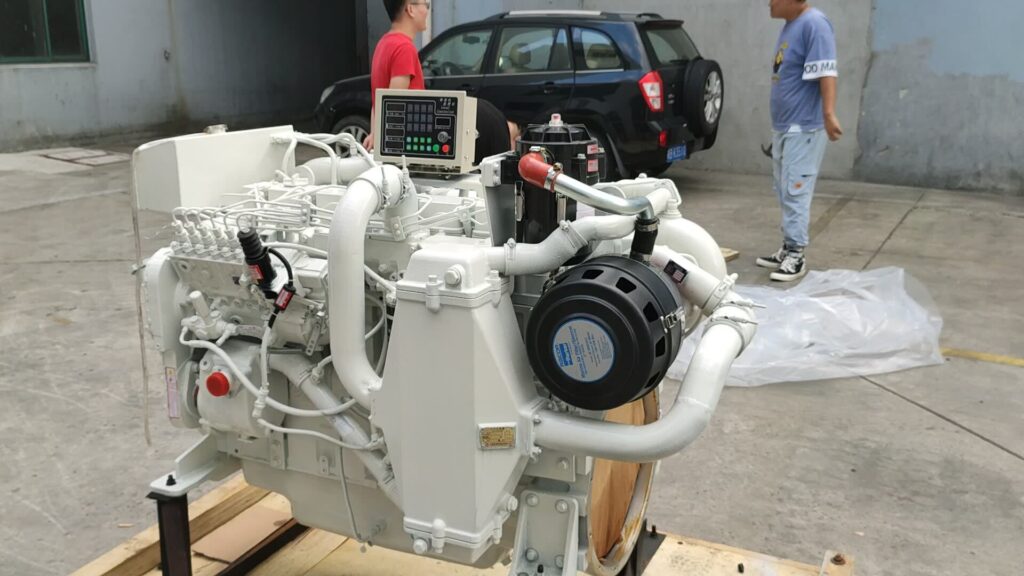
Marine Applications That Commonly Use Keel Cooling
Based on our experience supplying marine propulsion systems, several vessel types frequently use keel cooled marine inboard diesel engine configurations.
These include:
Commercial Fishing Vessels
Fishing boats often operate long hours in remote areas where reliability is essential.
Workboats and Utility Vessels
Harbor service vessels, patrol boats, and tugboats require engines capable of operating under heavy loads for extended periods.
Inland Waterway Transport
River transport vessels often operate in shallow or sediment-rich waters where seawater intake systems can become clogged.
For these applications, a keel cooled marine inboard diesel engine system provides dependable cooling performance with minimal maintenance.
Marine Engine Brands Commonly Used with Keel Cooling Systems
Many major marine engine manufacturers support keel cooling configurations.
At Coastal Wave Marine, we regularly supply marine engines suitable for keel cooled marine inboard diesel engine installations from several well-known manufacturers.
Examples include:
- Cummins marine diesel engines
- Perkins marine engines
- Baudouin commercial marine engines
- Volvo Penta heavy-duty marine engines
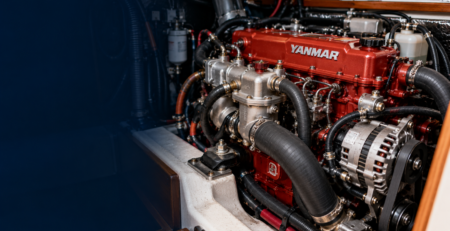
- Yanmar commercial marine diesel engines
These engines are commonly used in commercial vessels worldwide due to their reliability and durability.
Choosing the Right Keel Cooled Marine Inboard Diesel Engine
Selecting the correct engine involves several important factors.
Engine Power Requirements
The engine must match the vessel’s displacement, operational load, and desired cruising speed.
Vessel Design
Hull design and available space influence how keel coolers can be installed.
Operating Environment
Vessels operating in remote areas or demanding conditions often benefit most from keel cooled marine inboard diesel engine systems.
Working with experienced marine propulsion suppliers helps ensure proper engine selection and cooling system compatibility.
Why Keel Cooling Is Becoming the Industry Standard
Across the marine industry, operators are prioritizing:
- reliability
- lower maintenance costs
- longer equipment lifespan
For many commercial vessels, keel cooled marine inboard diesel engine technology provides a practical solution that meets these requirements.
As a result, many shipyards and marine engineers now recommend keel cooling systems for heavy-duty marine propulsion installations.
Why Vessel Operators Work with Coastal Wave Marine
At Coastal Wave Marine, we specialize in supplying commercial marine engines, propulsion systems, and inboard marine diesel engines for sale worldwide.
Our team works closely with vessel owners, shipyards, and marine engineers to support:
- commercial vessel repower projects
- marine propulsion system selection
- global marine engine sourcing
- marine gearbox compatibility
- international shipping and export logistics
By combining technical knowledge with global supply capability, we help vessel operators find reliable propulsion solutions suited to their specific applications.
Frequently Asked Questions
What is a keel cooled marine inboard diesel engine?
A keel cooled marine inboard diesel engine uses external cooling pipes mounted on the hull of the vessel to transfer engine heat into the surrounding water.
Are keel cooled engines better than heat exchanger systems?
For commercial applications, many operators prefer keel cooled marine inboard diesel engine systems because they are simpler, more durable, and require less maintenance.
Do keel cooling systems require maintenance?
Yes, but significantly less than seawater cooling systems. Most maintenance involves monitoring coolant levels and inspecting external pipes.
Can any marine diesel engine use keel cooling?
Many marine diesel engines can be configured for keel cooled marine inboard diesel engine systems, especially engines designed for commercial marine applications.
Final Thoughts
The marine industry demands equipment that performs reliably in challenging conditions.
Cooling systems play a critical role in ensuring the long-term performance of marine diesel engines.
For many commercial vessels, keel cooled marine inboard diesel engine technology offers a simple, durable, and highly reliable cooling solution.
As commercial operators continue to prioritize reliability and reduced maintenance, the keel cooled marine inboard diesel engine system is increasingly becoming the preferred cooling approach across the industry.
And at Coastal Wave Marine, we remain committed to helping vessel owners around the world select the right marine propulsion systems for their operations.
Next Post: Why Every Commercial Vessel Needs a Marine Diesel Engine Telematics Monitoring System

Leave a Reply